

Key takeaways
- Intermittent fasting lowers baseline fasting insulin by 40–50% within 8–12 weeks and improves insulin sensitivity measurably within 4–6 weeks of consistent practice.
- Blood glucose stabilization occurs through reduced spike frequency and improved hepatic glucose output during fasting, creating flat CGM readings (70–90 mg/dL) compared to typical eating patterns.
- Longer fasting protocols (20:4 and OMAD) produce deeper insulin reductions but are harder to sustain; 16:8 remains optimal for most people balancing metabolic benefit with adherence.
- Eating window composition—especially protein (25–35 g per meal), fiber (10+ g per meal), and carb timing—determines whether IF's insulin benefits persist or reverse.
Intermittent fasting (IF) has become one of the most effective tools for metabolic health, largely because of its profound effect on insulin dynamics and blood glucose regulation. Unlike calorie restriction or low-fat diets, IF works by extending the time your body operates without incoming nutrients—a shift that triggers distinct hormonal changes in insulin secretion and glucose utilization. Understanding these mechanisms is essential for anyone using IF to improve insulin sensitivity, manage prediabetes, or optimize metabolic performance.
How Intermittent Fasting Changes Insulin Secretion
The primary driver of insulin health during intermittent fasting is the absence of food stimulus. Your pancreas secretes insulin in response to blood glucose elevation; the longer you fast, the fewer opportunities your body has to trigger that response. Research in the Nutrients Journal found that participants following a 16:8 fasting window saw fasting insulin levels drop by 40–50% within 8–12 weeks—a reduction that signals substantially improved insulin sensitivity.
This drop matters because elevated fasting insulin (anything above 10 mIU/L) is an early marker of insulin resistance. When your pancreas has to work constantly to manage glucose, it eventually becomes less responsive to its own signals—a downward spiral toward type 2 diabetes. By giving your pancreas extended rest periods, IF allows beta cells to recover and restore their glucose-sensing ability.
Fasting State vs. Fed State Insulin Levels
In the fed state (after eating), insulin spikes to transport glucose into cells. A normal postprandial (after-meal) insulin response peaks within 30–60 minutes and returns to baseline within 2–3 hours. However, in insulin-resistant individuals, this spike is exaggerated and prolonged—sometimes staying elevated for 4+ hours, driving excess glucose into fat storage and triggering hunger cycles.
During fasting, insulin gradually falls as glucose is utilized by your muscles and brain. By hour 12–16 of a fast, insulin typically drops to 2–4 mIU/L (optimal fasting range). This low-insulin state is where metabolic benefits emerge: your body shifts to burning stored fat for fuel and reduces constant pressure on your pancreas. Studies using continuous glucose monitors show that fasting windows produce stable glucose readings (80–100 mg/dL) without the spikes and crashes characteristic of frequent eating patterns.
Insulin Resistance and Prolonged Fasting Windows
Longer fasting windows (18–24 hours) produce greater insulin reductions and activate deeper metabolic shifts. Your liver reduces glucose output, your muscles increase glucose uptake efficiency, and your cells become more responsive to insulin signaling. A study in the American Journal of Clinical Nutrition reported that participants practicing time-restricted eating (eating within a 6–8 hour window) showed 27% improvement in insulin sensitivity compared to controls eating ad libitum, even without caloric restriction.
Blood Sugar Stability and the Role of Autophagy
Blood glucose stability is distinct from just lower blood sugar. Stability means minimal variance between peaks and troughs—no dramatic spikes after meals, no mid-afternoon energy crashes, no mid-morning hunger at 11 AM. Intermittent fasting creates this stability through two mechanisms: reduced glucose spikes (fewer eating events) and improved glucose utilization (enhanced insulin sensitivity).
During the first 12–16 hours of a fast, your body uses stored glucose (glycogen) from your liver and muscles. Once glycogen depletes, your liver switches to gluconeogenesis—manufacturing glucose from amino acids and glycerol to maintain stable blood sugar for your brain and red blood cells. This process is tightly regulated; your body does not experience dangerous hypoglycemia in healthy individuals because gluconeogenesis automatically adjusts output to match your body’s glucose needs. Continuous glucose monitors on subjects fasting for 24 hours show remarkably flat glucose traces in the 70–90 mg/dL range—far more stable than a typical eating day with its three-spike pattern after breakfast, lunch, and dinner.
Glucose Utilization in Fasting Periods
Your muscles are glucose-sensitive organs that preferentially use glucose when insulin levels are normal or high. However, during fasting, as insulin drops and epinephrine rises, muscles switch to burning stored glycogen and fat-derived fuels. This shift reduces the glucose demand on your liver, lowering the gluconeogenic burden. Additionally, fasting increases AMPK (AMP-activated protein kinase), an enzyme that enhances glucose uptake in muscle tissue independently of insulin. This means your muscles become more efficient at utilizing glucose without needing high insulin concentrations—a key marker of true insulin sensitivity improvement.
Glycemic Variability Reduction
Glycemic variability—the fluctuation between glucose highs and lows throughout the day—is an independent risk factor for cardiovascular disease and poor metabolic health, separate from average glucose levels. Someone with an average glucose of 110 mg/dL but wild 60–150 mg/dL swings faces higher oxidative stress than someone with steady 100 mg/dL readings. Intermittent fasting reduces variability by compressing eating windows. Instead of four spikes (breakfast, snack, lunch, dinner), you produce one or two controlled spikes within your eating window. Continuous glucose monitor data from IF practitioners typically shows coefficient of variation (a measure of glucose variability) dropping 20–30% within four weeks.
Choosing the Right Fasting Protocol for Insulin Management
Not all fasting protocols produce identical insulin responses. Your choice depends on your current metabolic state, activity level, and goals.
16:8 vs. 20:4 vs. OMAD Insulin Response
16:8 (16 hours fasting, 8-hour eating window) is the gentlest approach and best for beginners. It typically produces a 30–40% fasting insulin reduction within 4–8 weeks. Your body enters a mild fasted state by hour 14–16, activating fat mobilization without extreme hunger. Most people eat two meals in the 8-hour window (e.g., noon to 8 PM), producing two moderate insulin spikes instead of four.
20:4 (20 hours fasting, 4-hour eating window) drives deeper metabolic changes. Fasting for 20 hours keeps your body in the low-insulin state for longer, forcing greater reliance on fat oxidation and hepatic ketone production. Insulin sensitivity typically improves 40–60% within 8–12 weeks. However, fitting adequate nutrition (protein, micronutrients, fiber) into a 4-hour window is challenging and may require careful meal planning. This protocol suits people with stable energy and no demanding physical activities during the fasting window.
OMAD (One Meal a Day) involves a single large meal within a 1–2 hour window. It produces maximal fasting-state benefits (24-hour fasting, 1-hour eating) but creates a significant insulin spike during the eating window because all daily calories arrive in rapid succession. While OMAD can work for insulin management, it requires meticulous nutrient density in that single meal and suits experienced IF practitioners. Most people find 16:8 or 18:6 to be optimal for both compliance and metabolic results.
Water Fasting vs. Extended Fasts with Electrolytes
Pure water fasting (no calories, no electrolytes) is excellent for insulin reset and metabolic switching but unsustainable for most people beyond 48 hours due to fatigue, dizziness, and potential muscle loss. A 24–48 hour water fast produces profound insulin suppression (fasting insulin often drops to 2–3 mIU/L range) and activates deeper fat mobilization.
Extended fasts supplemented with electrolytes (sodium, potassium, magnesium—zero calories) extend the fasting window’s benefits without severe side effects. Salt water (¼ teaspoon sea salt in water) or electrolyte supplements containing sodium chloride and potassium chloride maintain nerve and muscle function during prolonged fasting. Many people combine 18–20 hour water fasts with electrolyte support, achieving strong insulin reductions while feeling energetic enough for normal activity and exercise.
Practical Application: Monitoring Changes in Insulin Sensitivity
Tracking your progress is essential because insulin changes happen before you feel them. The best markers are fasting glucose, fasting insulin, and their ratio (HOMA-IR: fasting glucose × fasting insulin / 405). Normal HOMA-IR is below 1.0; anything above 2.0 suggests significant insulin resistance.
Fasting glucose can be measured with a standard home glucometer (costing R$ 100–300 for a basic device). Check it each morning after 10–12 hours of fasting, before eating or drinking anything but water. After 4–6 weeks of consistent IF, expect fasting glucose to drop 5–10 mg/dL if you started with impaired fasting glucose (110–125 mg/dL).
Fasting insulin requires a lab test (available through any pathology clinic in Brazil; cost typically R$ 50–80). Request this every 8 weeks rather than monthly—insulin changes take time and monthly testing wastes money. Compare to your baseline, not to the lab’s reference range, because individual improvement matters more than population averages.
Continuous glucose monitors like Freestyle Libre (costing approximately R$ 200–250 per 14-day sensor in Brazil) and Dexcom are optional but invaluable for seeing your personal glucose response to different foods and fasting windows. After two weeks of CGM use during IF, you’ll see how stable your glucose truly is—often the motivation needed to maintain the protocol long-term.
Ketone measurement can verify you’ve entered ketosis (the metabolic state where your body burns fat for ketones). Urine ketone strips like Ketostix cost R$ 30–50 per kit and show whether ketones are present in your urine, typically within 3–5 days of consistent fasting depending on carb intake and individual metabolism.
Common Mistakes That Spike Insulin During Fasting Windows
Intermittent fasting only works if you avoid spiking insulin during your eating window, which erases much of the fasting benefit.
Breaking a fast with refined carbs or sugar is the most common sabotage. Ending a 16-hour fast with white bread, pastries, or juice produces a massive insulin spike—your body hasn’t been producing insulin for 16 hours and suddenly receives a glucose flood. Instead, break your fast with protein and healthy fat (eggs, avocado, nuts) or a small vegetable-based meal. Wait 30 minutes before adding a small portion of whole grain or starchy carbs if desired.
Snacking between meals during the eating window resets your fasting state. If your eating window is noon–8 PM and you snack at 1 PM, 3 PM, and 6 PM, you produce three separate insulin spikes and never allow your postprandial insulin to fully normalize. Eat 1–2 meals during your window, not continuous grazing.
Consuming artificial sweeteners during fasting is debated, but evidence suggests compounds like aspartame and sucralose may trigger modest insulin responses in some individuals, particularly those with insulin resistance. To preserve fasting state, stick to water, black coffee, unsweetened tea, and plain electrolyte solutions during fasting windows.
Nutrition During Eating Windows to Support Insulin Health
What you eat matters as much as when you eat. The composition of your eating window determines whether IF’s insulin benefits compound or diminish.
Protein priority: Consume 25–35 g of protein per meal. Protein provides sustained satiety, prevents muscle loss during fasting, and produces a smaller insulin response than equivalent carbohydrate calories. Good sources available in Brazil include chicken (R$ 15–25/kg), eggs (R$ 8–12/dozen), Greek yogurt, lentils, and canned fish like sardines or tuna (usually R$ 8–15 per can).
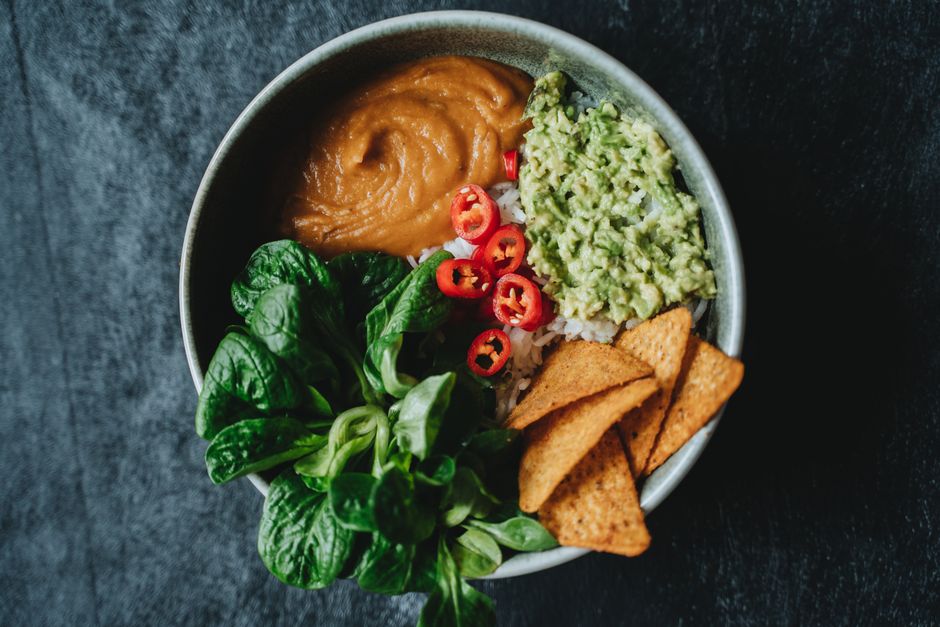
Fiber intake: Aim for at least 10 g of fiber per meal from non-starchy vegetables, seeds (chia, flax), and legumes. Soluble fiber slows glucose absorption, producing a flatter insulin curve. A practical meal: grilled chicken (30 g protein), large mixed salad with olive oil (12 g fiber), and a small sweet potato (4 g fiber) keeps insulin elevation moderate and sustained.
Minimize processed foods and inflammatory oils: Ultra-processed foods—snack cakes, flavored yogurts, granola bars—combine refined carbs with seed oils (soybean, canola) that impair insulin sensitivity. These are common in convenience foods costing R$ 5–15 per item. Preparing food at home costs less and removes hidden sugars that spike insulin and reverse fasting benefits.
Timing of carbohydrates: If you include carbs, consume them in your first meal after fasting, when your muscles are most insulin-sensitive and ready to store glycogen. Avoid carbs in your last meal of the eating window, especially before bed—they’ll spike insulin while you sleep, interfering with nocturnal fat mobilization and growth hormone release.
Frequently Asked Questions
How quickly does intermittent fasting improve insulin sensitivity?
Most people see measurable changes in fasting insulin levels within 2–4 weeks of consistent 16:8 or 18:6 fasting, with fasting insulin dropping from 10–15 mIU/L to 5–8 mIU/L range. Full metabolic improvement continues over 8–12 weeks, especially with longer protocols like 20:4.
Can intermittent fasting cause low blood sugar during fasting windows?
In healthy individuals without diabetes medication, no—the body maintains glucose homeostasis through gluconeogenesis and hepatic glycogenolysis. However, those on insulin or sulfonylureas must consult their doctor before starting IF, as medication dosing may need adjustment.
What should I eat in my eating window to keep insulin stable?
Prioritize protein (25–35 g per meal), fiber (≥10 g per meal from vegetables and seeds), and healthy fats; consume carbs in your first meal after fasting when insulin sensitivity is highest. Avoid refined carbs, processed foods, and sugary items, which spike insulin and reverse fasting benefits.
